Caramelized onions are a delicious and versatile ingredient that can elevate any dish. How to Make Caramelized Onions is an easy process that transforms simple yellow onions into sweet, jammy goodness. Perfect for burgers, sandwiches, or pasta, this recipe is a must-have in your culinary arsenal. With just a few ingredients and a little patience, you can create a rich flavor that will impress your family and friends on any occasion.
Why You’ll Love This Recipe
- Easy Preparation: With just a handful of ingredients, making caramelized onions is straightforward and requires minimal effort.
- Rich Flavor: The slow cooking process develops a deep sweetness that enhances the taste of many dishes.
- Versatile Use: Caramelized onions can be used in various recipes, from appetizers to main courses.
- Make Ahead: These onions store well in the fridge, allowing you to prepare them in advance for quick meal enhancements.
- Impressive Result: The transformation from raw onions to beautifully caramelized ones is always a crowd-pleaser.
Tools and Preparation
Before diving into the recipe, it’s important to gather your tools. Having the right equipment makes the process smoother and more enjoyable.
Essential Tools and Equipment
- Large skillet
- Wooden spoon
- Cutting board
- Sharp knife
- Lid for the skillet
Importance of Each Tool
- Large skillet: A wide surface area allows for even cooking and prevents overcrowding of the onions.
- Wooden spoon: Ideal for stirring without scratching your skillet; helps mix the onions gently.
- Lid for the skillet: Covering while cooking retains moisture and helps with even caramelization.
Ingredients
To make delicious caramelized onions, you’ll need:
The Salad Bowls Amazon Chose and Customers Love!
For the Caramelized Onions
- 2 tablespoons butter
- 1 tablespoon canola oil
- 3 large yellow onions, peeled, halved, and thinly sliced
- 1 teaspoon kosher salt
- 3 sprigs fresh thyme (leaves only)
- 1 tablespoon white balsamic vinegar (optional)
How to Make How to Make Caramelized Onions
Step 1: Heat the Fat
Heat butter and canola oil in a large skillet over medium-high heat until melted.
Step 2: Add Onions and Seasoning
Add sliced onions, salt, and thyme leaves.
Step 3: Begin Cooking
Cook for about 5 minutes, stirring occasionally until onions begin to soften.
Step 4: Lower Heat and Cover
Reduce heat to medium-low and cover with a lid.
Step 5: Slow Cook Onions
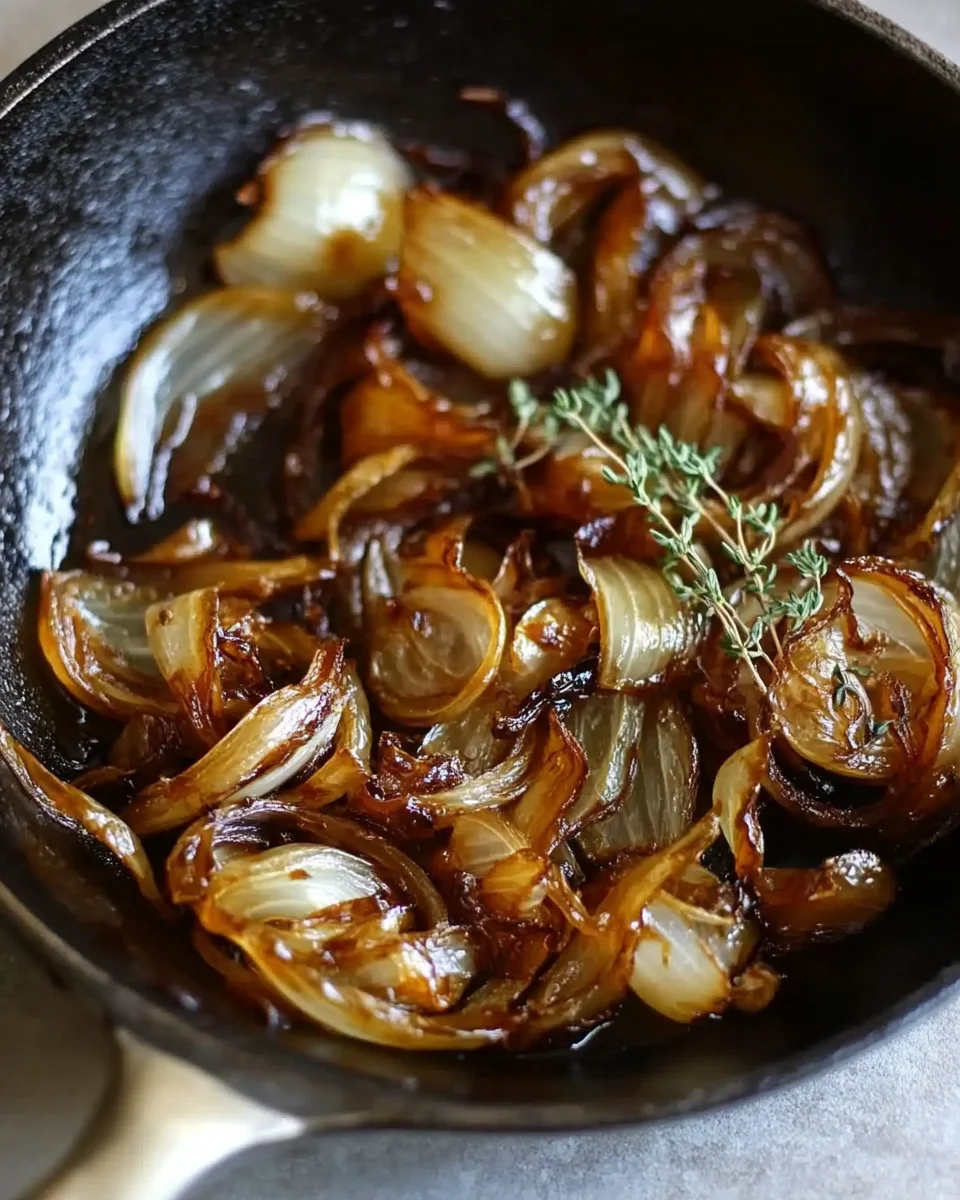
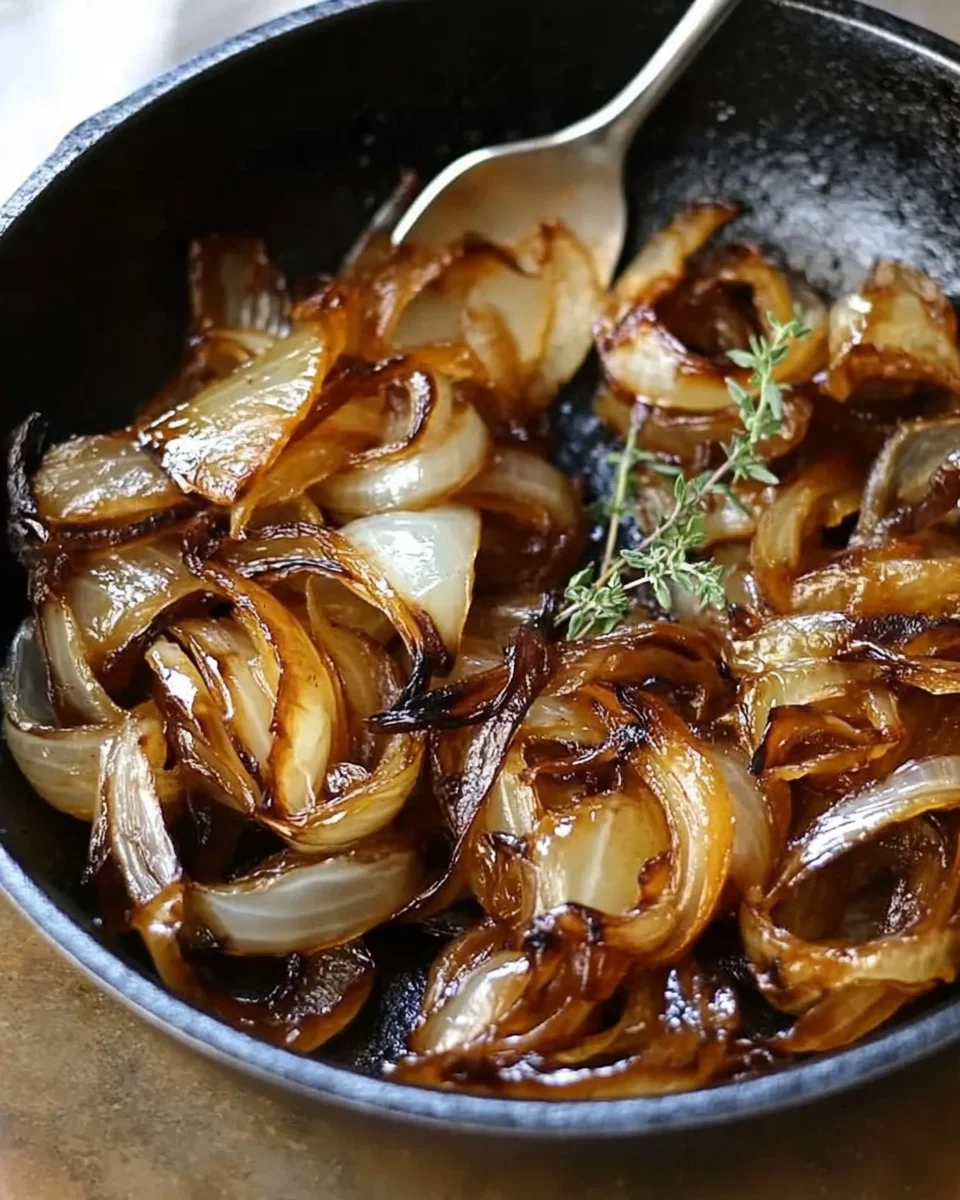
Continue cooking for up to 1 hour, stirring every 10–15 minutes. Allow onions to slowly caramelize until they become golden, soft, and jammy.
Step 6: Monitor for Burning
If onions begin to burn or stick, add a splash of water or broth and scrape the pan.
Step 7: Add Vinegar (Optional)
Add vinegar during the last 10 minutes of cooking if using.
Step 8: Finish Cooking
Cook until deeply caramelized. Serve immediately or store for later use.
Make sure not to rush this process; low and slow cooking develops the best flavor! Enjoy your delicious caramelized onions as toppings or mix-ins in various dishes.
How to Serve How to Make Caramelized Onions
Caramelized onions bring a rich, sweet flavor to many dishes. They can enhance everything from savory entrees to simple snacks. Here are some delicious ways to serve them.
On Burgers
- Adding caramelized onions on top of a juicy burger elevates the flavor and adds a touch of sweetness.
In Sandwiches
- Use caramelized onions as a filling in grilled cheese or panini for extra depth and flavor.
Tossed with Pasta
- Mix caramelized onions into your favorite pasta dish for a luxurious texture and taste that complements sauces beautifully.
As a Topping for Pizza
- Sprinkle them over pizzas before baking for an added layer of sweetness that pairs well with cheese and meats.
In Quiches or Frittatas
- Incorporate caramelized onions into egg dishes for a delightful breakfast or brunch option that impresses guests.
With Roasted Vegetables
- Add caramelized onions to roasted vegetables for a delicious side dish that balances flavors perfectly.
How to Perfect How to Make Caramelized Onions
Perfecting caramelized onions is all about patience and technique. Follow these tips to achieve the best results every time.
- Use the right pan – A wide, heavy skillet allows for even cooking and better evaporation of moisture.
- Be patient – Slow cooking is key; rushing will result in burnt onions rather than sweet, caramelized goodness.
- Don’t overcrowd the pan – If you have too many onions, cook in batches to ensure even caramelization.
- Add salt early – This helps draw out moisture from the onions, speeding up the initial softening process.
- Stir occasionally – While it’s important to let them sit, don’t forget to stir every 10–15 minutes to prevent sticking.
- Experiment with flavors – Try adding balsamic vinegar or herbs for enhanced depth during the cooking process.
Best Side Dishes for How to Make Caramelized Onions
Caramelized onions pair wonderfully with various side dishes. Here are some tasty options that complement their rich flavor.
- Garlic Mashed Potatoes – Creamy mashed potatoes infused with garlic create a comforting side that works well with sweet onions.
- Grilled Asparagus – The slight bitterness of grilled asparagus contrasts nicely with the sweetness of caramelized onions.
- Savory Rice Pilaf – Fluffy rice pilaf mixed with nuts and herbs makes an excellent base for topping with caramelized onions.
- Roasted Brussels Sprouts – Sweet, roasted Brussels sprouts are enhanced by the addition of caramelized onions for a flavorful side.
- Caprese Salad – Fresh tomatoes, basil, and mozzarella drizzled with balsamic glaze work beautifully alongside sweet onion flavors.
- Cornbread – The sweetness of cornbread pairs harmoniously with the deep flavors of caramelized onions, creating a delightful combo.
- Sweet Potato Fries – Crispy fries made from sweet potatoes provide an excellent contrast when paired with savory caramelized onions.
- Stuffed Bell Peppers – Fill bell peppers with grains and spices, then top with caramelized onions for an extra burst of flavor.
Common Mistakes to Avoid
When learning how to make caramelized onions, it’s easy to make a few common mistakes that can impact flavor and texture. Here are some pitfalls to watch out for:
- Using High Heat: Cooking on high heat can burn the onions instead of caramelizing them. Always use medium or medium-low heat to ensure even cooking.
- Not Stirring Enough: If you ignore the onions while they cook, they might stick or burn. Stir them every 10–15 minutes for optimal results.
- Adding Salt Too Early: While salt is essential, adding it at the beginning can draw out moisture too quickly. Wait until the onions have softened before adding salt.
- Rushing the Process: Caramelization takes time, and rushing it will not yield the same depth of flavor. Allow at least 30-60 minutes for perfect caramelized onions.
- Skipping Liquid Additions: If your onions start to stick or burn, skipping liquid can worsen the situation. Use a splash of water or broth to deglaze the pan and enhance flavor.
Refrigerator Storage
- Store caramelized onions in an airtight container.
- They will last in the refrigerator for up to one week.
- Allow them to cool completely before sealing to prevent condensation.
Freezing How to Make Caramelized Onions
- Place cooled caramelized onions in freezer-safe bags or containers.
- They can be frozen for up to three months.
- Portioning out servings makes thawing easier later.
Reheating How to Make Caramelized Onions
- Oven: Preheat your oven to 350°F (175°C). Spread onions on a baking sheet and warm for about 10-15 minutes.
- Microwave: Use a microwave-safe dish, cover it loosely, and reheat in 30-second intervals until warm.
- Stovetop: Place onions in a skillet over low heat, stirring occasionally until warmed through.
Frequently Asked Questions
How long does it take to learn how to make caramelized onions?
It typically takes around 30 minutes to 1 hour of cooking time, but patience is key for achieving the best flavor.
Can I use any type of onion for caramelizing?
Yes, yellow onions are commonly used for their sweet flavor, but you can experiment with red or white onions as well.
What dishes benefit from using caramelized onions?
Caramelized onions enhance the taste of burgers, sandwiches, pasta dishes, and even pizzas.
How do I know when my onions are fully caramelized?
They should be golden brown, soft, and jammy in texture. The longer you cook them (up to an hour), the sweeter they become.
Final Thoughts
Caramelized onions are a delightful addition that elevates many dishes with their rich flavors. This simple yet rewarding recipe is versatile; you can customize it by adding herbs or different vinegars according to your taste. Whether you’re topping burgers or mixing into pasta, give this technique a try—your meals will thank you!
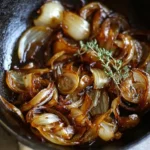
Caramelized Onions
- Total Time: 1 hour 10 minutes
- Yield: Approximately 4 servings 1x
Description
Caramelized onions are a culinary treasure that can transform any dish with their rich, sweet flavor. The process of making caramelized onions is simple and requires only a few ingredients and a bit of patience. These luscious, jammy onions are perfect for elevating burgers, sandwiches, pasta, and even pizzas. By slow-cooking yellow onions in butter and oil, you unlock their natural sweetness, creating an irresistible topping or mix-in that’s sure to impress your family and friends. Ideal for meal prep, caramelized onions can be stored in the fridge for quick use throughout the week. Master this technique and add depth and warmth to your favorite dishes!
Ingredients
- 2 tablespoons butter
- 1 tablespoon canola oil
- 3 large yellow onions, peeled, halved, and thinly sliced
- 1 teaspoon kosher salt
- 3 sprigs fresh thyme (leaves only)
- 1 tablespoon white balsamic vinegar (optional)
Instructions
- Heat butter and canola oil in a large skillet over medium-high heat until melted.
- Add sliced onions, salt, and thyme leaves; stir to combine.
- Cook for about 5 minutes until the onions begin to soften.
- Reduce heat to medium-low; cover with a lid.
- Continue cooking for up to 1 hour, stirring every 10–15 minutes until deeply caramelized.
- If necessary, add a splash of water or broth if the onions begin to stick or burn.
- If using white balsamic vinegar, add it during the last 10 minutes of cooking.
- Once golden brown and jammy in texture, serve immediately or store for later use.
- Prep Time: 10 minutes
- Cook Time: 60 minutes
- Category: Side Dish
- Method: Sautéing
- Cuisine: American
Nutrition
- Serving Size: 1/4 cup (60g)
- Calories: 80
- Sugar: 6g
- Sodium: 120mg
- Fat: 6g
- Saturated Fat: 3g
- Unsaturated Fat: 2g
- Trans Fat: 0g
- Carbohydrates: 7g
- Fiber: 1g
- Protein: 1g
- Cholesterol: 10mg
Thousands of Happy Customers Can't Be Wrong About These Bowls!
Leave a Comment