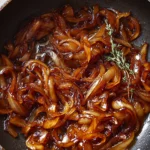
The Caramelized Onions recipe brings a rich, sweet flavor that enhances many dishes. These perfectly cooked onions are a fantastic addition to burgers, pizzas, and even salads. Whether you’re hosting a dinner party or just looking for a flavorful side dish, caramelized onions never disappoint. They are simple to make and transform everyday meals into something special.
Why You’ll Love This Recipe
- Easy Preparation: With just a few ingredients and simple steps, anyone can master caramelized onions.
- Rich Flavor: The slow cooking process brings out the natural sweetness of the onions, creating a deep, savory flavor.
- Versatile Use: Perfect for adding to quiches, soups, or as toppings on various dishes.
- Healthy Option: Low in calories and packed with flavor, they are a guilt-free addition to your meals.
- Impressive Result: Homemade caramelized onions elevate any dish and impress your guests.
Tools and Preparation
Before you start making your caramelized onions, gather the necessary tools. Having the right equipment will make the process smoother and more enjoyable.
Essential Tools and Equipment
- Large skillet
- Spatula
- Knife
- Cutting board
Importance of Each Tool
- Large skillet: A wide surface area ensures even cooking and allows moisture to evaporate quickly for perfect caramelization.
- Spatula: Ideal for stirring the onions gently without breaking them apart.
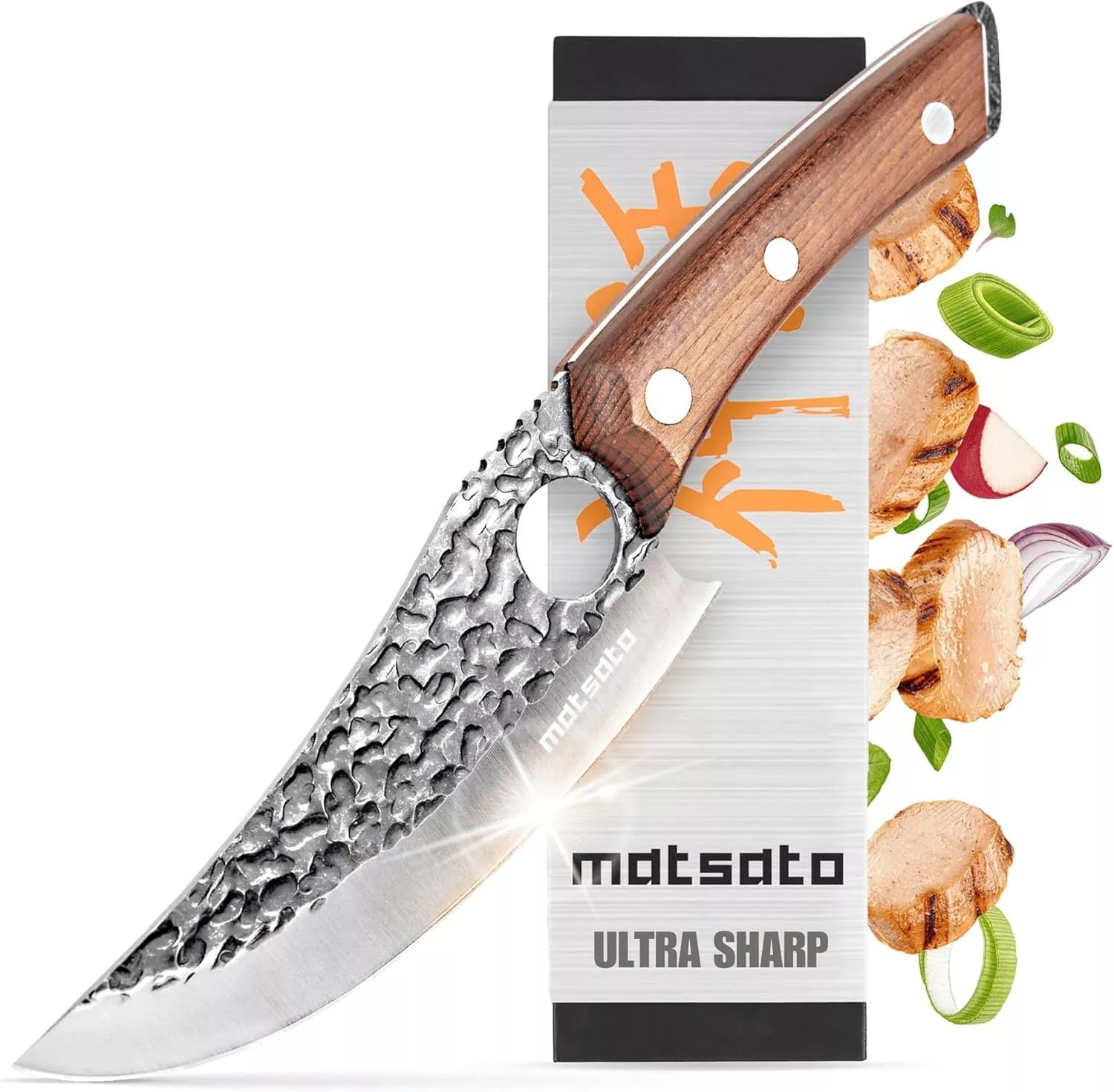
- Knife: A sharp knife makes slicing the onions quick and easy.
- Cutting board: Provides a stable surface for safely chopping your ingredients.
Ingredients
To make delicious caramelized onions, you will need:
Grab This Chef Knife Now - Almost Gone!
For the Caramelized Onions
- 2 tablespoons olive oil
- 3 onions (medium or large, sliced)
- pinch of salt
- 1 tablespoon balsamic vinegar
How to Make Caramelized Onions
Step 1: Heat the Skillet
- Heat 2 tablespoons of olive oil on high heat in a large skillet.
- Once the oil is heated, add the sliced onions. Cook on high heat for about 10 minutes while constantly stirring with the spatula. The goal is to start browning the onions without burning them.
Step 2: Add Salt
- Reduce heat to medium after 10 minutes of cooking.
- Continue cooking the onions for another 10 minutes while stirring occasionally. At this point, add just a pinch of salt. This helps enhance their flavor as they brown further.
Step 3: Finish Cooking
- Keep cooking the onions for an additional 10 minutes on medium or low heat.
- Stir occasionally to prevent sticking or burning; add a little water if needed.
- By now, you should have cooked your onions for a total of 30 minutes.
Step 4: Deglaze with Balsamic Vinegar
- Remove from heat and sprinkle the cooked onions with a small amount of balsamic vinegar.
- Use your spatula to mix well, scraping up any browned bits at the bottom of the pan.
Now you have beautifully caramelized onions ready to enhance any dish! Enjoy their rich flavor in various recipes!
How to Serve Caramelized Onions
Caramelized onions are a delicious addition to many dishes. Their rich, sweet flavor enhances everything from sandwiches to salads. Here are some creative ways to serve caramelized onions.
On Top of Burgers
- Juicy Beef Burgers: Add a generous scoop of caramelized onions on your favorite beef burger for an extra layer of flavor.
- Veggie Burgers: Elevate your veggie burgers with the sweetness of caramelized onions for a satisfying bite.
In Pasta Dishes
- Pasta Primavera: Toss cooked pasta with caramelized onions, fresh vegetables, and olive oil for a colorful dish.
- Mac and Cheese: Stir in caramelized onions into creamy mac and cheese for a gourmet twist.
As Pizza Toppings
- Gourmet Pizzas: Spread a layer of caramelized onions on your pizza base before adding cheese and toppings for enhanced taste.
- Flatbreads: Use caramelized onions as a topping on flatbreads with goat cheese and herbs for a delightful appetizer.
In Salads
- Mixed Greens Salad: Mix warm caramelized onions into a salad with mixed greens, nuts, and vinaigrette dressing.
- Potato Salad: Combine caramelized onions with potatoes, mayo, and herbs for a unique potato salad experience.
With Eggs
- Omelettes: Fold caramelized onions into your morning omelette along with cheese and spinach for added flavor.
- Frittatas: Incorporate them into frittatas or quiches for brunch that everyone will love.
How to Perfect Caramelized Onions
To achieve the best results when making caramelized onions, follow these helpful tips. These will ensure that your onions turn out flavorful and perfectly cooked every time.
- Choose the Right Onions: Yellow or sweet onions work best due to their natural sugars that enhance sweetness during cooking.
- Use Low Heat: Cooking slowly over medium or low heat allows the sugars in the onions to develop without burning them.
- Be Patient: Allowing at least 30 minutes for cooking is crucial; rushing this process can lead to unevenly cooked or burnt onions.
- Stir Frequently: Regular stirring prevents sticking and burning while promoting even browning throughout the cooking process.
- Add Liquid if Necessary: If the onions start sticking, add a splash of water or broth to help deglaze the pan and keep them moist.
- Finish with Acid: A splash of balsamic vinegar at the end brightens up the flavors and adds depth to your caramelized onions.
Best Side Dishes for Caramelized Onions
Caramelized onions pair wonderfully with various side dishes. Here are some excellent options that complement their rich flavor perfectly.
- Garlic Mashed Potatoes: Creamy mashed potatoes blended with garlic create a comforting side dish that pairs beautifully with caramelized onions.
- Roasted Vegetables: A mix of seasonal roasted vegetables adds color and texture alongside sweet caramelized onions.
- Rice Pilaf: Fluffy rice pilaf infused with herbs provides a light base that balances well against the richness of onion flavors.
- Grilled Asparagus: The smokiness from grilled asparagus contrasts nicely with the sweetness of the caramelized onions.
- Quinoa Salad: A refreshing quinoa salad with herbs and lemon provides a healthy counterpoint to rich onion flavors.
- Coleslaw: Crunchy coleslaw made with cabbage and carrots offers a delightful textural contrast when served alongside caramelized onions.
Common Mistakes to Avoid
Caramelizing onions can be a rewarding experience, but it’s easy to make mistakes that can ruin the dish. Here are some common pitfalls and how to avoid them.
-
Using too high heat — Cooking onions on high heat may cause them to burn instead of caramelizing. Always start on high heat but reduce it after the initial browning to medium or low.
-
Not stirring enough — Neglecting to stir the onions can lead to uneven cooking and burnt bits. Stir often, especially during the first 10 minutes, to ensure a uniform caramelization.
-
Adding salt too early — Adding salt at the beginning can draw moisture out of the onions and hinder caramelization. Wait until you achieve some browning before adding a pinch of salt.
-
Skipping deglazing — Failing to deglaze the pan with balsamic vinegar or water can leave stuck bits that add bitterness. Always scrape the bottom of the pan after removing from heat.
-
Rushing the process — Caramelizing onions takes time; rushing it will result in less flavor and texture. Be patient and allow at least 30 minutes for proper caramelization.
Storage & Reheating Instructions
Refrigerator Storage
- Store in an airtight container for up to 5 days.
- Allow caramelized onions to cool completely before sealing for best freshness.
Freezing Caramelized Onions
- Freeze in a freezer-safe container for up to 3 months.
- Portion into small amounts for easy use later; ice cube trays work well for this purpose.
Reheating Caramelized Onions
-
Oven — Preheat oven to 350°F (175°C). Place onions in an oven-safe dish, cover, and heat for about 10-15 minutes until warmed through.
-
Microwave — Transfer onions to a microwave-safe bowl, cover loosely, and heat on medium power for 1-2 minutes, stirring halfway through.
-
Stovetop — Reheat in a skillet over low heat. Stir occasionally until warmed up; add a splash of water if they seem dry.
Frequently Asked Questions
Here are some common questions about caramelized onions that can help you perfect your technique.
How do I know when my caramelized onions are done?
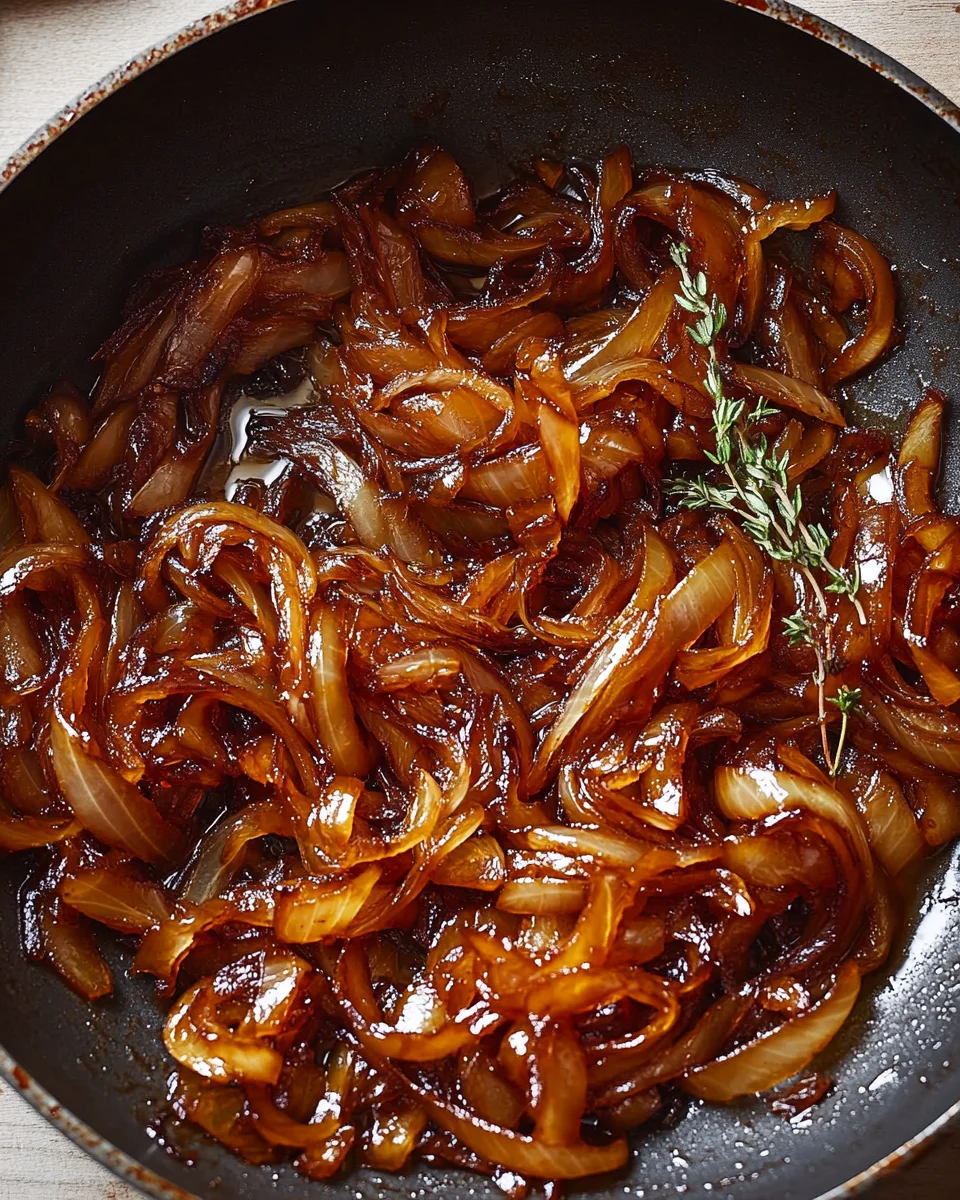
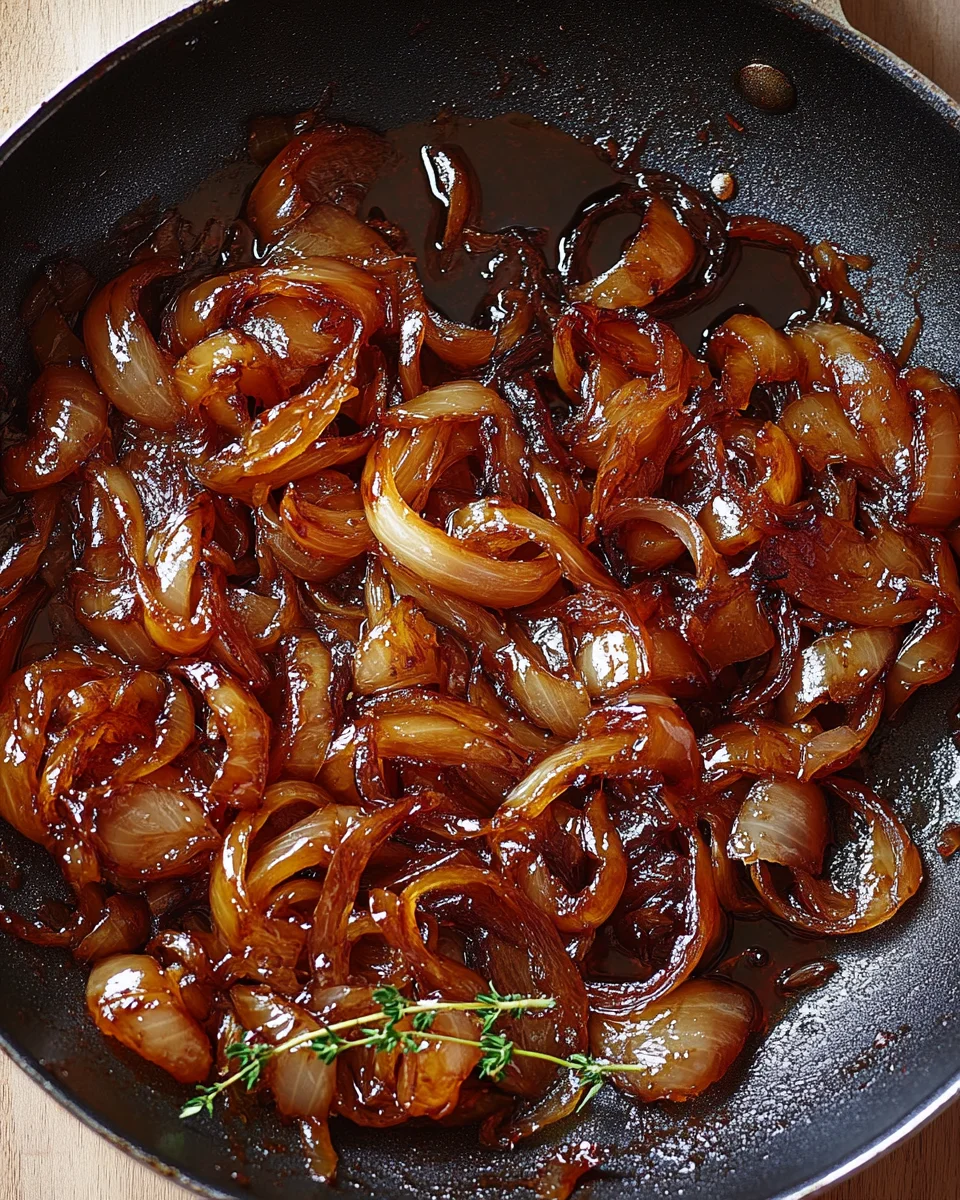
When your caramelized onions are golden brown and have a sweet aroma, they’re done! The texture should be soft and silky.
Can I use any type of onion for caramelizing?
Yes, while yellow onions are most commonly used due to their natural sweetness, you can also use red or white onions for different flavor profiles.
What dishes can I use caramelized onions in?
Caramelized onions are versatile! Use them in quiches, sandwiches, burgers, or as a topping for pizzas and salads.
How do I store leftover caramelized onions?
Store leftover caramelized onions in an airtight container in the refrigerator for up to five days or freeze them for longer storage.
Can I make caramelized onions ahead of time?
Absolutely! You can prepare them ahead of time and store them in the refrigerator or freezer for later use.
Final Thoughts
Caramelized onions add depth and sweetness to many dishes, making them incredibly versatile. Whether you’re using them in savory tarts or soups, their unique flavor enhances meals beautifully. Don’t hesitate to experiment with different ingredients like herbs or spices for customization. Try making your own batch today!
Caramelized Onions
- Total Time: 35 minutes
- Yield: Approximately 2 servings 1x
Description
Caramelized onions are a culinary treasure that brings a rich, sweet depth to various dishes. Their slow-cooked tenderness enhances everything from burgers and pizzas to salads and pasta. This straightforward recipe allows anyone to enjoy the sweet, savory flavor of caramelized onions in just 30 minutes. Perfect for elevating your meals, they can be stored and used later, making them a versatile staple in your kitchen. Whether you’re preparing a casual dinner or hosting a gathering, homemade caramelized onions are sure to impress.
Ingredients
- 2 tablespoons olive oil
- 3 medium or large onions, sliced
- Pinch of salt
- 1 tablespoon balsamic vinegar
Instructions
- Heat the olive oil in a large skillet over high heat.
- Add the sliced onions and cook for 10 minutes while stirring constantly.
- Reduce heat to medium, add a pinch of salt, and continue cooking for another 10 minutes, stirring occasionally.
- Cook for an additional 10 minutes on medium or low heat, stirring regularly to avoid burning.
- Once golden brown, remove from heat and deglaze with balsamic vinegar, scraping any browned bits from the pan.
- Prep Time: 5 minutes
- Cook Time: 30 minutes
- Category: Side Dish
- Method: Sautéing
- Cuisine: American
Nutrition
- Serving Size: 1/4 cup (60g)
- Calories: 80
- Sugar: 6g
- Sodium: 70mg
- Fat: 5g
- Saturated Fat: 0.5g
- Unsaturated Fat: 4g
- Trans Fat: 0g
- Carbohydrates: 9g
- Fiber: 1g
- Protein: 1g
- Cholesterol: 0mg
The Salad Bowls Amazon Chose and Customers Love!
Leave a Comment